Candle Wax Import Documents: HTS, COA and ASTM F2417
Which HTS heading fits candle wax, what a COA must contain, what ASTM F2417 actually covers, and the documents an EU or US importer asks for first.
Read the guideSOURCING GUIDES
Practical guides on choosing candle wax, verifying suppliers, reading COAs and building a candle business — written by a manufacturer in Henan, China since 2002.
Which HTS heading fits candle wax, what a COA must contain, what ASTM F2417 actually covers, and the documents an EU or US importer asks for first.
Read the guideAlibaba is a discovery layer; a factory is a producer. What changes between them is who issues the batch COA, how MOQ and custom colour are set, and who owns the problem when batch four does not match batch one.
Read the guideCross-border sourcing is not unusually risky, it is unusually unforgiving of assumptions. The five risks that decide whether a container arrives as ordered, and the written question that controls each one.
Read the guideA grade name is marketing, not measurement. The three decisions a soy wax grade hides — base, melt behaviour with its method, and additives — and the five lines to compare before accepting a substitute.
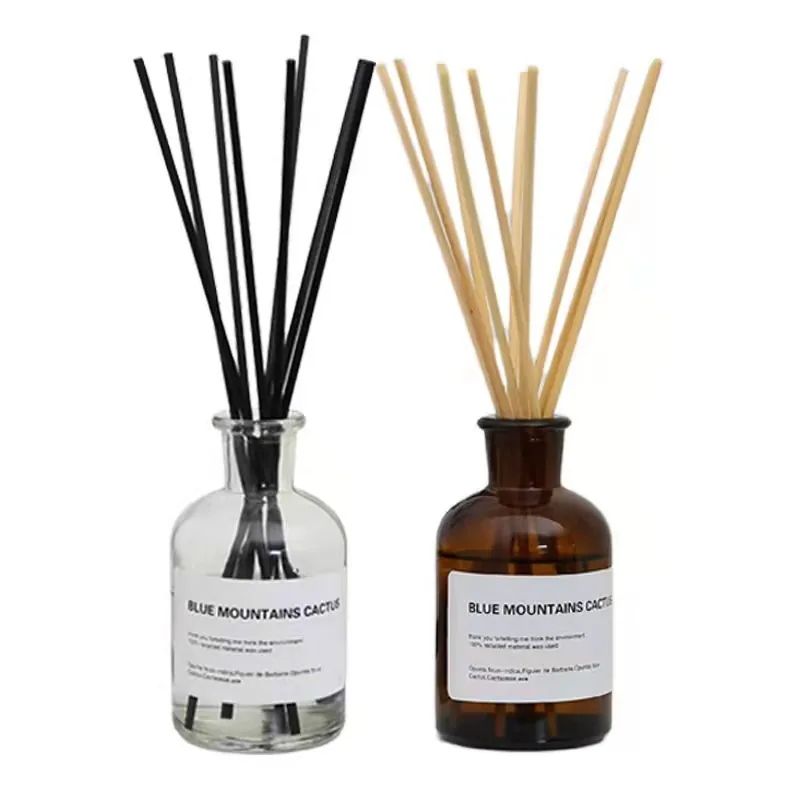
Read the guideFour questions separate a reed diffuser manufacturer from a reseller with a catalogue: who formulates the base and the scent, who holds the fragrance paperwork, who owns the bottle tooling, and who can reproduce the formula on order three.
Read the guideWhy every “top candle wax manufacturers in China” list looks the same, and the five checks that turn that list into a shortlist — wax family, records, format match, country checks and one identical RFQ.
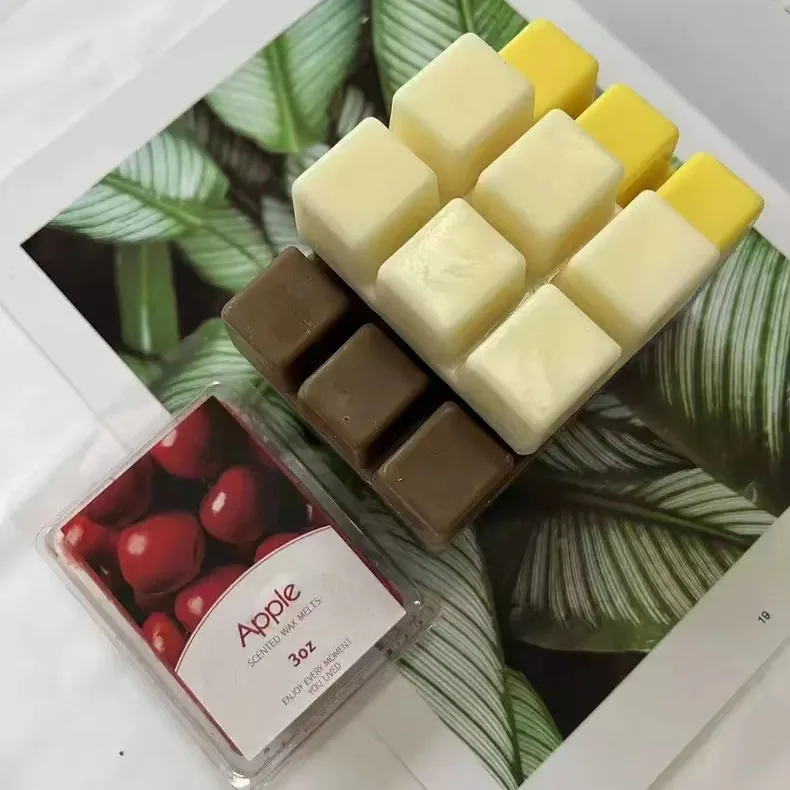
Read the guideA wax melt is not a small candle. The four properties that define a melt wax, why the melt point band needs a named test method, and what to put in a melt RFQ.
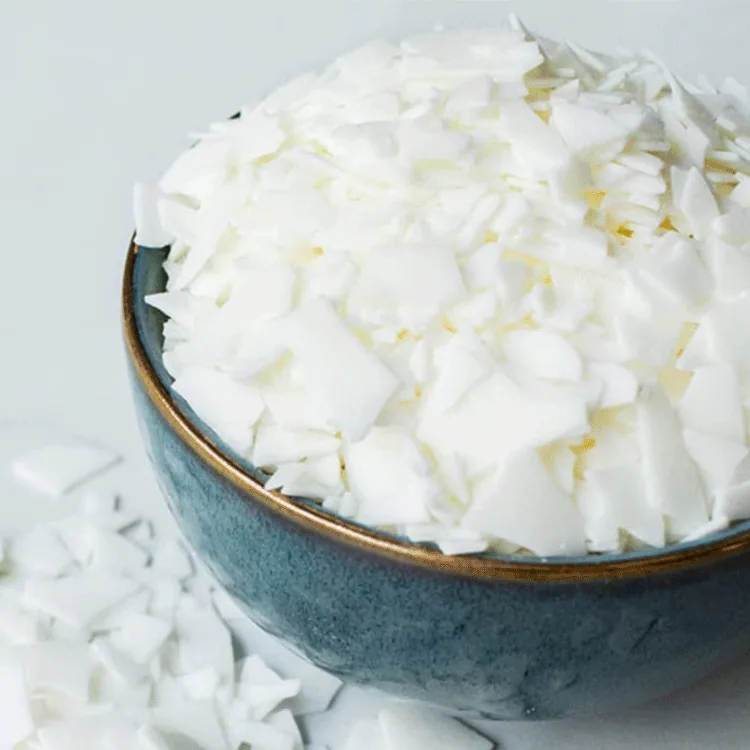
Read the guideForm is a handling decision, not a price decision. What changes between flakes, pellets, granules and pearls — dosing, melting, storage and freight density — and how to compare them.
Read the guideFactory, marketplace or US distributor: how each sand wax sourcing route changes your unit cost, colour control, lead time and documentation.
Read the guideA factory can read well on a brochure and still fail on order three. Six checks that predict whether a bulk wax order goes right, and how to run them in two weeks.
Read the guideThe six decisions behind a refillable vase candle programme for hotels and restaurants, and the operational questions that decide whether it holds up.
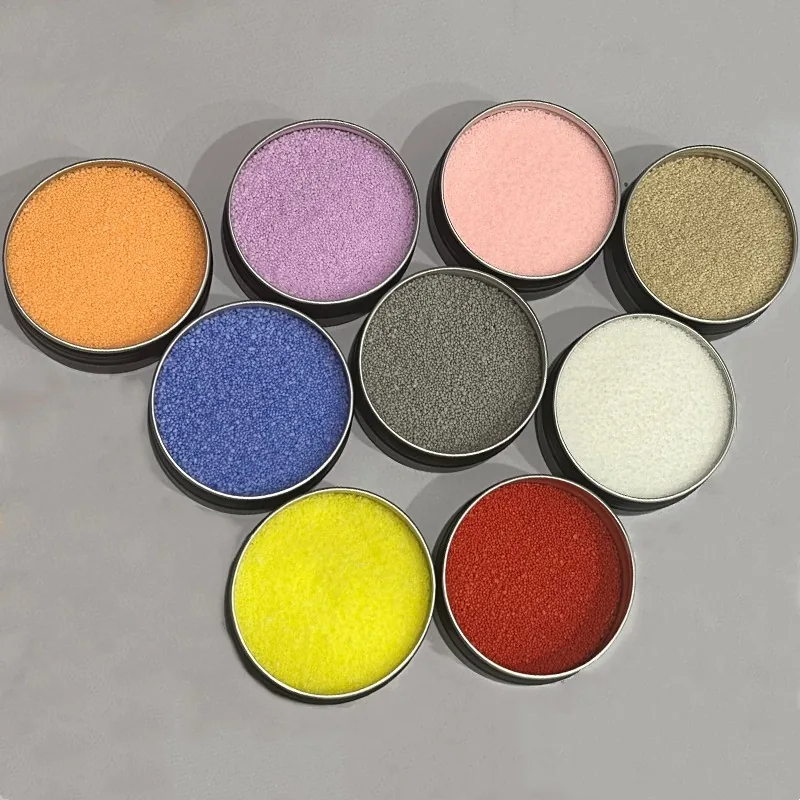
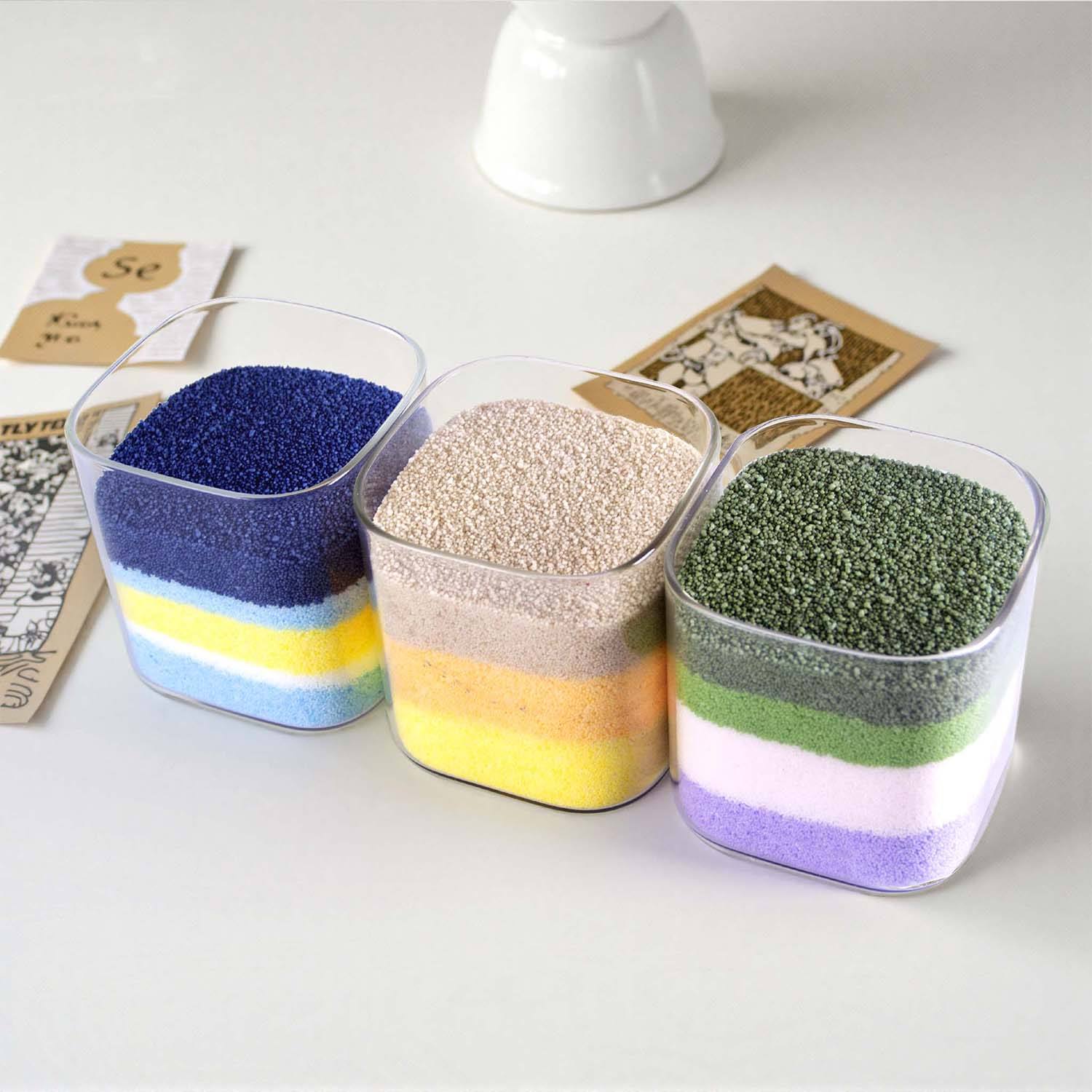
Read the guideWhat sand wax is made of, how the pearl, powder and colored granule grades differ, how the wickless candle format works, and what to put on a bulk specification.
Read the guideThe real sequence of a private label candle order — spec, scent development, pre-production sample, packaging, QC and the documents you need before the run.
Read the guideThe cost components behind a bulk candle wax quote — raw material, refining, colour and scent, packaging, volume and freight — and how to compare two quotes on equal terms.
Read the guideHow to tell whether a candle wax supplier is a real factory or a middleman — the four questions, the documents, and the price signals that give it away.
Read the guideHow classification, ISPM 15 packaging, dangerous goods rules and document timing decide your real landed cost on candle imports from China.
Read the guideWhat a candle wax MOQ is built from, why factories set it where they do, the four levers that move it, and how to start below it with samples and a trial order.
Read the guideFour tests worth running on a wax sample — pour, full burn, fragrance load and storage — plus the record sheet that turns a sample into a buying decision.
Read the guideWhat frosting, sink holes, wet spots and cracks each tell you about pour temperature, cooling speed and fragrance load — with the fix order that saves a batch.
Read the guideWhat ASTM F2417 is, why a voluntary standard behaves like a requirement at retail, why the edition year matters, and exactly what to request from your supplier.
Read the guideA COA, a safety data sheet, IFRA documentation and a REACH statement each answer a different question. What candle importers must collect, by market.
Read the guideWhat the 58°C melt point means for pour temperature, sink holes, set and fragrance load in container candles — plus a working checklist for buying bulk soy wax.
Read the guideMap your retail format to the right candle base: burn-in-vessel soy, no-flame refillable sand wax pearls, or transparent jelly wax for layers and embeds — with the decision matrix.
Read the guideSix elements every candle supplies RFQ needs — plus the supplier checks that matter (samples, batch COA, MOQ, pre-production samples) and how to judge the quotes that come back.
Read the guideHow to read a wax certificate of analysis: batch number, melt point, appearance — what a batch COA proves, how it differs from a certification, and the questions to ask a supplier.
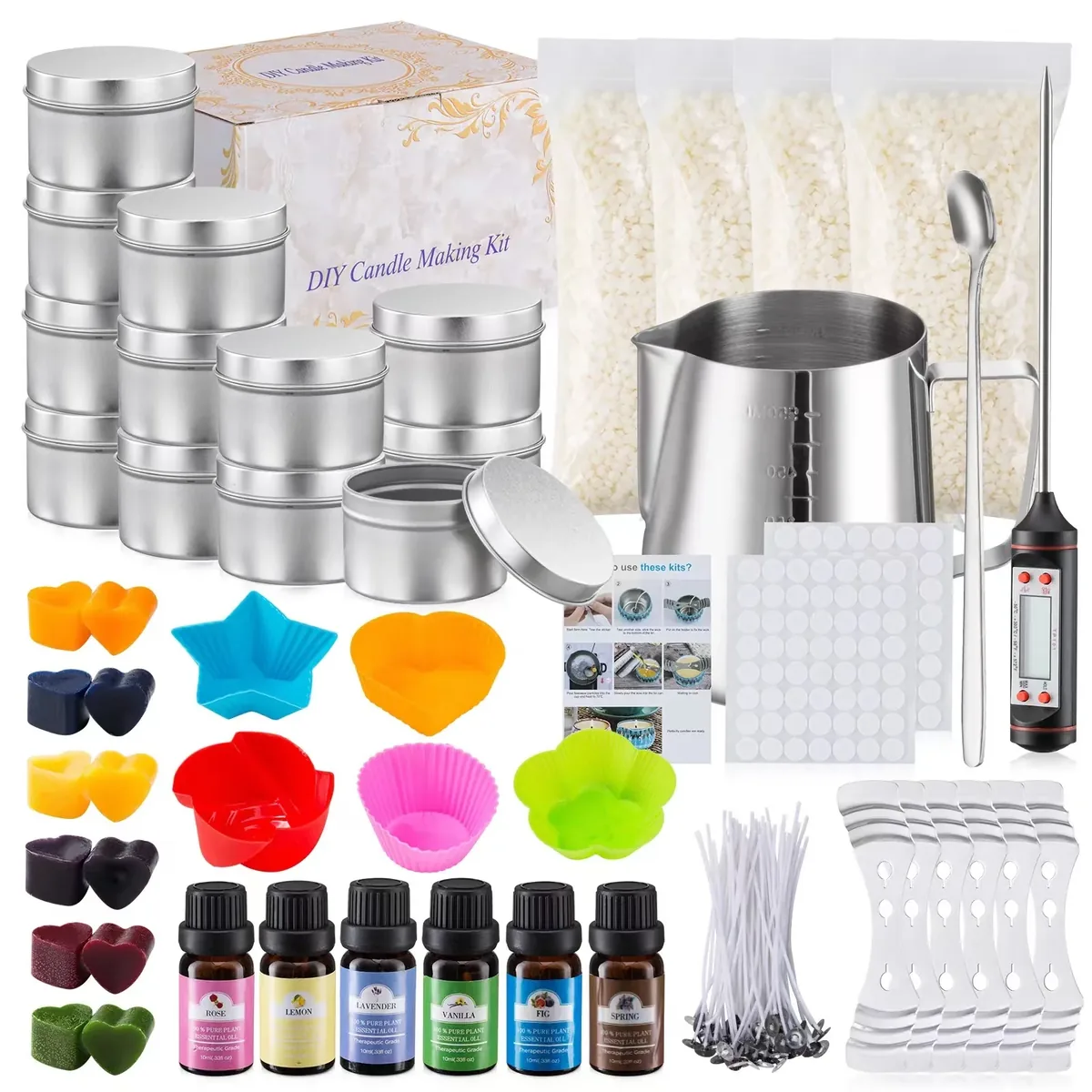
Read the guideContents, wick size, portioned wax, instructions and branding — the buyer’s checklist for candle making kits headed to retail shelves, Etsy and workshops.
Read the guideNew guides publish on a monthly content calendar. Topics answer the questions buyers actually send us in RFQs and at trade desks.
FAQ
POSISION — a candle wax factory in Henan, China. They answer the questions buyers raise during sourcing, which is why they are written as checklists rather than overviews.
The product line, the grade or format, and your target volume. Add any OEM or packaging requirement and the quote comes back closer to final.
Yes — including to compare us. COA policy, how samples are handled, MOQ and what drives the price are the four things worth checking on any supplier.
READY TO SOURCE?
Pricing, MOQ, lead time — plus free samples with COA for whichever grade makes your shortlist.