
PRODUCT 12 · COCONUT APRICOT WAX
Bulk Coconut Apricot Wax for Smooth Container Candles
Coconut apricot wax is a plant-wax blend built for container candles that have to set smooth and hold their fragrance — supplied in bulk flakes, alongside our soy line so you can sample both before you choose a base.
- Base
- Coconut + apricot
- Form
- Flake / chunk
- Best for
- Container candles
- Samples
- Free, with COA
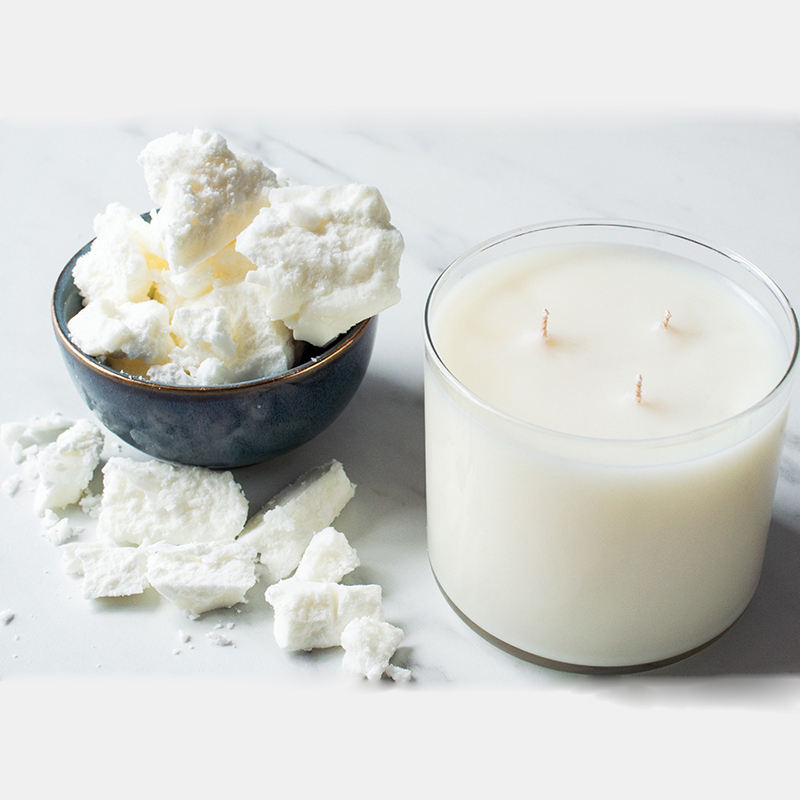
Coconut apricot wax is a plant-wax blend — coconut wax cut with apricot wax — made for container candles where the surface has to set smooth and the fragrance has to carry. POSISION supplies it in bulk from our own plant in Henan, China, next to the soy wax we make for the same buyers, so a brand can sample both and pick the base before it commits a container load.
What is coconut apricot wax?
It is a blend of two plant waxes rather than a single refined wax: coconut wax for the creamy, low-melt body and apricot wax to firm it and hold the shape as it cools. The result is a white wax that pours at a lower temperature than soy and sets to a surface closer to cream than to crystal.
That difference is visible in the finished candle. Straight soy tends to set with a dry, slightly grainy top and can shrink away from the glass; a coconut-apricot blend sets flatter and stays creamy, which is why it dominates premium container ranges where the candle is judged on the surface before it is ever lit.
The format in our listing photography is a white flake — the form the wax is chipped or flaked into so it melts evenly out of the bag and can be weighed by the gram on a production line.
Why buyers move from soy to a blend
The move is almost always made for one of three reasons, and all three are about the shelf rather than the burn.
- Surface. A smooth, creamy top photograph matters more than a burn statistic on a marketplace listing, and a blend delivers it with less work at the pouring stage.
- Cold throw. The wax class is known for carrying fragrance well before the candle is lit, which is what a customer judges in the shop or on unboxing.
- Glass adhesion. A wax that stays in contact with the glass instead of pulling away reads as better made, and it removes a whole class of finished-goods defect.
None of that makes the blend universally better. Soy is cheaper, and it is the base most private-label buyers specify because it carries a familiar story and a lower unit cost. The honest way to choose is to pour the same scent into both waxes in the container you plan to sell and compare the tops a day later, which is exactly what a sample order is for.
What to check before you order in bulk
Three checks, all done on the free sample.
- The set surface in your container. Pour one, leave it 24 hours, then look at the top and the shoulder of the glass. Flake size and pour temperature both change how the wax settles.
- The scent at your load. Fragrance load and wax base interact, so an oil proven in soy needs re-testing in a blend rather than scaling across.
- The wick. A wax with a lower melt point usually wants a smaller wick than the soy candle it replaced. Our cotton wick line covers the sizing question, and the wick is normally decided with the sample rather than after it.
Every batch we ship is QC-checked in-house and leaves with its own certificate of analysis for the lot, so the flake you test and the flake you reorder come from documented runs. The guide to reading a wax COA explains which lines on that certificate matter for a container candle.
How do MOQ, samples and ordering work?
MOQ is sized to your pilot rather than to a full container and is quoted per project. Free samples ship with the COA of their batch, so you can pour and compare against soy before committing volume, and private label orders move through a pre-production sample that you approve first.
Send the RFQ with the container you are filling, the fragrance load you have in mind and your monthly volume. You get a reply within 24 hours by WhatsApp or phone at +86 133 8403 0866, or by email to kris@posision.com.
The only way to choose a wax base is to pour both. Send an RFQ and ask for the coconut-apricot and soy samples with their batch COAs.
FAQ
Coconut Apricot Wax: buyer questions
What is coconut apricot wax?
It is a blend of two plant waxes: coconut wax for a creamy, low-melt body and apricot wax to firm it as it cools. The result is a white wax that sets to a smooth surface and carries fragrance well in a container candle.
Why would I choose it over soy?
Surface and shelf presentation, usually. Straight soy can set with a dry or grainy top and shrink away from the glass, while a blend sets flatter and stays creamy. Soy is the cheaper base, so the honest answer is to pour the same scent in both and compare the tops in your own container.
Do I need a different wick?
Usually a smaller one. A lower melt point means the wick has to melt less wax, so a wick proven in soy is often one size out in a blend. Our cotton wick line covers the sizing step, and we test the burn on the format you approve.
What form does it come in?
Flake and chunk form, which is what the wax in our listing photography shows. It weighs and melts evenly out of the bag, so it suits both a small studio pour and a production melter.
What MOQ and samples do you offer?
MOQ is sized to your pilot rather than to a full container and is quoted per project. Free samples ship with the batch COA, so you can pour and compare against soy before you commit volume.
RFQ FORM
Send your coconut apricot wax spec
PRODUCT 12 — COCONUT APRICOT WAX
Send your coconut apricot wax spec.
Reply within 24h — with pricing, MOQ, lead time and free samples with COA.